Blog

  • How to Choose the Perfect Corporate Event Dress Without Overdressing

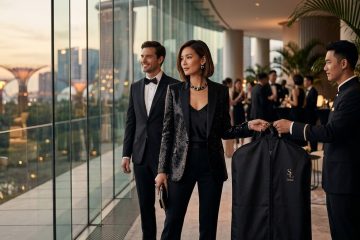
    You’ve received the calendar invite. Annual Dinner. Client Appreciation Evening. Industry Conference. And right below the venue details sits that dreaded line: “Business Formal” or worse, “Smart Casual.”

    Suddenly you’re second-guessing everything in your wardrobe. That navy dress feels too safe. The burgundy one might be too much. And you definitely don’t want to be the only person in a floor-length gown when everyone else shows up in midi dresses.

    Key Takeaway

    Dressing appropriately for corporate events means matching the formality level to the venue, time, and company culture. Focus on tailored silhouettes in neutral or jewel tones, knee to midi length, and minimal accessories. When in doubt, aim slightly more polished than casual. The goal is looking confident and professional without standing out for being overdressed.

    Decode the Dress Code Before You Panic

    Corporate event invitations rarely spell out exactly what to wear. “Business Formal” at a tech startup looks completely different from the same phrase at a law firm.

    Start by checking three things:

    1. The venue type. A hotel ballroom suggests more formality than a rooftop bar. Beach clubs and outdoor gardens lean casual even if the invitation sounds fancy.

    2. The time of day. Events starting at 6pm or later typically require more polished looks. Afternoon conferences allow for lighter fabrics and relaxed silhouettes.

    3. Your company culture. If your office operates in jeans and sneakers daily, their “formal” event likely sits at cocktail level, not black tie.

    Still unsure? Ask a colleague who attended last year. Or check the company’s social media from previous events. You’ll spot patterns quickly.

    The Sweet Spot Between Underdressed and Overdone

    The safest zone for most corporate functions sits right between business wear and evening wear. Think polished but not pageant-ready.

    Here’s what that looks like in practice:

    Dress length: Knee to midi works for 90% of corporate events. Floor-length gowns signal galas and award ceremonies, not quarterly reviews or client dinners. If you’re drawn to colours that photograph beautifully at evening galas, consider those shades in shorter silhouettes instead.

    Fabric choices: Structured fabrics like ponte, crepe, and quality polyester blends read professional. Save the sequins, heavy beading, and satin for actual evening galas. A bit of texture through jacquard or subtle metallic threading adds interest without screaming “prom night.”

    Necklines: Crew necks, V-necks, and modest square necklines keep things appropriate. Plunging necklines, off-shoulder styles, and anything strapless usually tips too formal or too revealing for work contexts.

    Sleeve considerations: Three-quarter or long sleeves feel polished and photograph well. Sleeveless works if the dress itself looks structured. Spaghetti straps often read too casual or too evening, depending on the overall look.

    What Works for Different Corporate Event Types

    Not all work functions deserve the same outfit. Here’s how to calibrate your formality level.

    Event Type Appropriate Length Fabric & Style Accessories
    Conference/Seminar Knee to midi Structured sheath or A-line, cotton blends Minimal jewelry, comfortable heels
    Client Dinner Midi Crepe or ponte, tailored fit Statement earrings or necklace, not both
    Annual Dinner Midi to tea-length Textured fabrics, jewel tones Elegant clutch, block heels
    Award Ceremony Tea-length to maxi Luxe fabrics, richer colours Dressy accessories, strappy heels
    Networking Event Knee to midi Breathable fabrics, classic cuts Functional bag, walkable shoes

    Notice how midi length appears in nearly every category? That’s your reliable default.

    Five Outfit Formulas That Never Fail

    When you need to get dressed without overthinking, use these proven combinations:

    1. Structured midi dress in navy or charcoal + block heels + simple pendant. This works for 80% of corporate events. Change the accessories to shift the vibe.

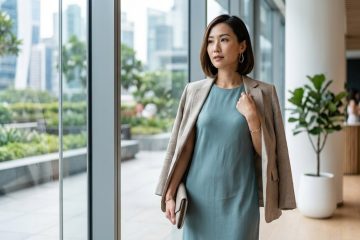
    2. Knee-length sheath in jewel tones + tailored blazer + pointed flats. Perfect for daytime conferences where you’ll be on your feet.

    3. Midi wrap dress in solid colour + small structured bag + stud earrings. The wrap style flatters most body types and reads professional without trying too hard.

    4. Tea-length A-line in textured fabric + strappy block heels + clutch. Your go-to for annual dinners and client appreciation events.

    5. Midi fit-and-flare in muted print + nude heels + delicate bracelet. Adds personality while staying firmly in professional territory.

    Notice the pattern? These outfits rely on classic silhouettes and quality fabrics, not trendy details or dramatic styling.

    The Accessories That Make or Break Your Look

    You can wear the perfect dress and still look overdressed if your accessories scream “wedding guest” instead of “work function.”

    Jewelry rules:
    – Choose one statement piece maximum. Statement earrings OR a bold necklace, never both.
    – Avoid anything that jingles, dangles excessively, or catches light aggressively.
    – Pearls, simple gold or silver pieces, and subtle gemstones all work beautifully.

    Bag choices:
    – Structured clutches or small crossbody bags keep things elegant.
    – Oversized totes look too casual. Tiny evening bags with crystals look too formal.
    – Your bag should hold your phone, cards, and lipstick without looking stuffed.

    Shoe strategies:
    – Block heels offer stability and look polished without the drama of stilettos.
    – Nude, black, or metallics in simple designs work with everything.
    – If the event involves standing or walking, comfort matters more than height.

    The outer layer:
    – Singapore’s air conditioning runs arctic. Bring a tailored blazer or structured cardigan.
    – Pashminas and wraps can look elegant but often read too dressy for corporate contexts.
    – Match your outer layer to your dress formality. A denim jacket undermines your polished dress.

    Common Mistakes That Signal Overdressing

    Even with good intentions, certain choices instantly make you look like you misread the room.

    Wearing anything floor-length to events that aren’t explicitly galas or award ceremonies. That tea-length dress you’re considering? Perfect. The gown that sweeps the floor? Save it.

    Piling on the sparkle. One piece with subtle shimmer adds polish. A sequined dress with crystal jewelry and metallic shoes looks like you’re heading to a nightclub after.

    Choosing fabrics that photograph too formally. Heavy satin, taffeta, and anything with excessive sheen reads evening wear in photos. Those images end up on company social media, and you don’t want to be the only person who looks like they attended a different event.

    Ignoring the season. Velvet in Singapore’s heat looks uncomfortable and out of touch. Light chiffon at an air-conditioned hotel ballroom leaves you shivering. Match your fabric weight to both climate and venue.

    Overdoing the makeup and hair. Corporate events call for polished, not pageant. If your makeup takes more than 20 minutes or your hair requires professional styling, you’ve probably crossed into overdressed territory.

    How to Adjust When You’ve Misjudged

    You arrive and realize everyone else dressed down. Or up. Either way, you’re noticeably different.

    Here’s how to course-correct:

    If you’re overdressed:
    – Remove your statement jewelry and swap for simpler pieces if you brought backups.
    – Take off the blazer or structured jacket to make a formal dress look more relaxed.
    – Switch from heels to the flats you hopefully stashed in your bag.
    – Own it with confidence. One slightly-too-formal outfit won’t derail your career.

    If you’re underdressed:
    – Add the blazer you brought (you did bring one, right?).
    – Put on more substantial jewelry to elevate the look.
    – Adjust your posture and confidence. How you carry yourself matters as much as what you’re wearing.

    “The most important accessory at any corporate event is confidence. When you feel appropriate and comfortable, that shows in how you interact with colleagues and clients. If you’re constantly adjusting your outfit or worrying about standing out, that distraction affects your presence more than any dress code misstep.” — StyleLease Styling Team

    The Rental Advantage for Corporate Events

    Here’s something most professionals don’t consider: you don’t need to own every outfit for every type of corporate event.

    Renting solves several problems at once. You get access to higher-quality pieces without the investment. You avoid the “I’ve worn this to three company events already” problem. And you can try styles that feel slightly outside your comfort zone without committing to a purchase.

    For events that happen once or twice a year, renting makes practical sense. Annual dinners, major client functions, and industry award ceremonies all deserve special outfits, but those outfits don’t deserve permanent wardrobe space.

    The sustainability angle matters too. Fast fashion creates enormous waste, and buying cheap dresses for occasional events contributes to that cycle. Renting quality pieces that get worn by multiple people maximizes each garment’s life.

    Similar to how guests approach wedding attire by considering the event’s unique requirements, corporate functions deserve the same thoughtful approach without the wardrobe commitment.

    Building Your Corporate Event Strategy

    Stop treating each invitation like a fashion emergency. Create a simple system instead.

    Maintain a go-to outfit: Every professional woman needs one reliable corporate event outfit that works for 80% of functions. Invest in or rent a quality midi dress in navy, charcoal, or burgundy. Pair it with neutral accessories. Done.

    Know your company’s patterns: After attending two or three events, you’ll recognize your organization’s typical formality level. Some companies consistently run formal. Others stay business casual even for celebrations. Adjust your baseline accordingly.

    Check the guest list: Internal team events often run more casual than client-facing functions. If external stakeholders, board members, or VIPs attend, shift slightly more formal.

    Consider the event purpose: Celebrations and awards lean dressier. Training sessions and conferences lean practical. Networking events fall somewhere in between.

    Plan for photos: Assume photos will happen and end up on LinkedIn or company communications. Choose colours and styles that photograph well and represent how you want to be seen professionally.

    Your Confident Corporate Event Wardrobe

    The goal isn’t finding the perfect outfit for every possible scenario. That’s impossible and exhausting.

    Instead, aim for appropriate and confident. When you understand the basic formality markers (length, fabric, accessories) and match them to the event type, you’ll naturally land in the right zone.

    Most corporate events cluster around the same formality level: polished and professional without being dramatic. A few quality midi dresses in classic cuts and versatile colours will carry you through years of work functions.

    And when those special events come up, the ones that genuinely call for something different? That’s when renting lets you show up looking polished without the commitment or waste of buying something you’ll wear once.

    You’ve got this. Pick the dress that makes you feel confident and appropriate. Then focus on what actually matters at these events: the conversations, connections, and professional relationships you’re building.

  • 5 Gown Colours That Photograph Beautifully at Evening Galas

    5 Gown Colours That Photograph Beautifully at Evening Galas

    You’ve got the invitation. The venue is stunning. The photographer will be there. Now comes the real question: what colour will make you look radiant in every photo?

    Choosing the right gown colour for an evening event isn’t just about personal preference. It’s about how that shade interacts with dim lighting, camera flashes, and the overall ambience of the venue. The wrong choice can wash you out or disappear into the background. The right one? You’ll glow in every single frame.

    Key Takeaway

    The best gown colors for evening events include jewel tones like emerald and sapphire, rich burgundy, classic navy, and metallics like champagne gold. These shades photograph beautifully under low lighting and camera flash, complement various skin tones, and create stunning contrast against typical gala backdrops. Choose colours that enhance your natural undertones and align with the event’s formality level.

    Why Colour Matters More After Sunset

    Evening lighting changes everything.

    Natural daylight shows true colours. But once the sun sets, artificial lighting takes over. Warm tungsten bulbs, cool LED spotlights, and camera flashes all shift how colours appear. A dress that looks perfect in your bedroom mirror might photograph completely differently at a charity ball.

    Certain colours absorb light. Others reflect it. Some create beautiful dimension in photos, while others flatten your features or blend into dark backgrounds.

    The venue matters too. Grand ballrooms with chandeliers create different lighting than modern art galleries with track lighting. Singapore’s evening events often feature a mix of both, plus outdoor garden spaces with string lights.

    Your skin tone plays a role as well. The same burgundy gown that makes one person look radiant might make another appear tired. Understanding which shades complement your natural undertones makes all the difference.

    Five Colours That Photograph Beautifully

    5 Gown Colours That Photograph Beautifully at Evening Galas - Illustration 1

    1. Jewel Tones

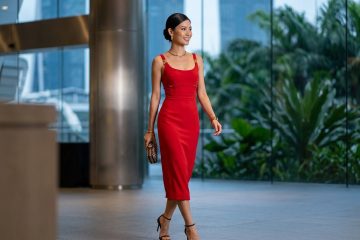
    Emerald green, sapphire blue, and ruby red sit at the top of the list.

    These saturated colours hold their richness under artificial lighting. They don’t wash out under camera flash. They create stunning contrast against neutral backgrounds and other guests wearing black.

    Emerald green particularly shines at evening events. It photographs with incredible depth and complements both warm and cool skin tones. The colour looks expensive on camera and stands out without screaming for attention.

    Sapphire blue offers similar benefits. It’s formal enough for black-tie galas but feels fresh and modern. The shade photographs with beautiful dimension, showing folds and draping in the fabric.

    2. Deep Burgundy and Wine Tones

    Burgundy has become a favourite for Singapore evening events.

    The colour combines the drama of red with the sophistication of purple. It photographs gorgeously under warm lighting and looks stunning against gold or silver accessories. Burgundy flatters most skin tones and feels appropriate for both corporate galas and charity fundraisers.

    Wine tones also work beautifully in photos. They’re rich enough to hold visual weight but subtle enough to feel elegant rather than attention-seeking. These shades complement the warm lighting common in hotel ballrooms.

    3. Classic Navy

    Navy deserves more credit as an evening colour.

    It photographs almost as well as black but offers more visual interest. Navy shows texture and draping better than black, which can sometimes appear flat in photos. The colour works across seasons and feels appropriate for every formality level.

    Navy also solves a common problem: it won’t blend into dark backgrounds the way black sometimes does. Your silhouette stays defined in group photos and venue shots.

    4. Metallics

    Gold, champagne, and rose gold create magic under evening lights.

    Metallic fabrics catch and reflect light beautifully. They photograph with gorgeous dimension and create a subtle glow around your face. These colours feel celebratory without being overly flashy.

    Champagne gold particularly suits Singapore’s evening events. It’s elegant, timeless, and complements the warm lighting in most venues. The colour also photographs well next to other popular gown shades, making it perfect for group photos.

    Silver and gunmetal metallics work too, especially for modern venues with cooler lighting. They create a sophisticated, contemporary look that photographs beautifully.

    5. Rich Emerald and Forest Green

    Green has emerged as a top choice for evening photography.

    Deep green tones photograph with incredible saturation and depth. They stand out in a sea of black gowns and create beautiful contrast in photos. The colour also complements the lush garden settings common at Singapore events.

    Forest green works particularly well for outdoor evening portions of events. It photographs beautifully against natural elements while still feeling formal and elegant.

    Matching Colours to Your Skin Tone

    Understanding your undertones helps narrow down the best options.

    Warm undertones (golden, peachy, or yellow-based skin):
    – Burgundy and wine tones
    – Champagne gold and warm metallics
    – Emerald green
    – Warm reds with orange undertones

    Cool undertones (pink, red, or blue-based skin):
    – Sapphire and royal blue
    – True red and ruby tones
    – Silver and platinum metallics
    – Jewel-toned purples

    Neutral undertones (a mix of warm and cool):
    – Navy
    – Forest green
    – Rose gold
    – Most jewel tones

    You can test this at home. Hold different coloured fabrics near your face in natural light. The right undertones will make your skin look brighter and more even. The wrong ones will make you appear washed out or sallow.

    Colours to Approach With Caution

    5 Gown Colours That Photograph Beautifully at Evening Galas - Illustration 2

    Some shades present challenges under evening lighting.

    Pastels often disappear in low light. Pale pink, baby blue, and mint green can wash out completely under dim chandeliers. They also tend to overexpose in flash photography, losing all detail and dimension.

    Very light colours face similar issues. Ivory and cream can photograph as pure white, losing all texture. They also show every shadow and can make you appear larger in photos.

    Neon and extremely bright colours can overpower everything else in a photo. Hot pink and electric blue might look fun in person but often photograph harshly, especially under flash.

    All-black can sometimes flatten in photos, though it remains a safe choice. If you choose black, look for textures like velvet or lace that create visual interest.

    How Lighting Affects Your Colour Choice

    Different venues create different challenges.

    Hotel ballrooms typically use warm tungsten lighting. This makes warm colours like burgundy and gold look incredible. Cool colours can appear slightly muted but still photograph well.

    Modern galleries often use cooler LED lighting. This favours jewel tones and metallics. Cool blues and greens photograph particularly well in these spaces.

    Outdoor garden spaces rely on string lights or lanterns. These create warm, flattering light that suits most colours. Metallics particularly shine in these settings.

    Mixed lighting venues (common in Singapore) present the biggest challenge. Stick with jewel tones or navy, which photograph consistently across different light sources.

    Practical Steps to Choose Your Colour

    1. Check the venue photos from previous events to see the lighting setup
    2. Consider the season and time of year (lighter metallics for warmer months, deeper tones for cooler periods)
    3. Look at your wardrobe and identify which colours you receive the most compliments wearing
    4. Test potential colours by taking photos in similar lighting to the event
    5. Consider what other guests might wear and choose something that stands out appropriately
    6. Factor in your accessories and whether you already own jewellery that complements certain colours

    The Role of Fabric in How Colours Photograph

    Fabric choice affects how your colour appears on camera.

    Velvet creates rich, deep tones that photograph with beautiful dimension. The fabric catches light gorgeously and adds visual weight to any colour. Burgundy velvet and emerald velvet are particularly stunning in evening photos.

    Satin and silk create a subtle sheen that enhances metallics and jewel tones. These fabrics reflect light beautifully without looking overly shiny in photos.

    Sequins and beading add sparkle but can sometimes overpower in flash photography. If you choose a heavily embellished gown, consider a slightly deeper colour to balance the brightness.

    Matte fabrics like crepe photograph cleanly and show true colour. They’re excellent choices if you want your colour to appear exactly as it does in person.

    “The best gown colour is one that makes you feel confident and photographs in a way that represents how you actually look. Don’t chase trends if they don’t suit your colouring. A well-chosen shade that complements your skin tone will always outperform a trendy colour that washes you out.” — Professional event photographer

    Colour Combinations and Styling

    Your accessories should complement, not compete.

    Gown Colour Best Metal Complementary Accent
    Emerald green Gold or rose gold Warm-toned gemstones
    Sapphire blue Silver or white gold Diamonds or clear crystals
    Burgundy Gold or bronze Deep red or purple stones
    Navy Silver or platinum Sapphires or pearls
    Champagne gold Rose gold or yellow gold Minimal, let dress shine

    Keep makeup in mind too. Jewel-toned gowns pair beautifully with neutral makeup that lets the dress be the statement. Metallics allow for slightly bolder lip colours.

    If you’re attending multiple events throughout the year, similar to what to wear to a Singapore wedding, building a small collection of gowns in different colours gives you flexibility while ensuring you always have a photogenic option.

    Common Colour Mistakes to Avoid

    Matching the venue too closely. If the event has a gold and cream colour scheme, wearing champagne gold might make you blend into the decor. Choose a complementary colour instead.

    Ignoring the dress code. Some corporate galas prefer conservative colours like navy or burgundy over bright jewel tones. Check the invitation for guidance.

    Choosing colour over fit. A perfectly fitted gown in a less-than-ideal colour will always photograph better than a poorly fitted gown in the perfect shade.

    Forgetting about colour transfer. Very saturated colours can sometimes reflect onto your skin in photos, creating an unwanted colour cast. This is rare but worth considering with extremely bright shades.

    Seasonal Considerations for Singapore Events

    Singapore’s climate stays relatively consistent, but event seasons vary.

    Charity galas often happen in the cooler months (November through February). Deeper colours like burgundy and forest green feel appropriate for this period.

    Corporate award ceremonies occur year-round. Navy and jewel tones work for any season and photograph consistently.

    Outdoor evening events favour colours that won’t show humidity or heat. Darker jewel tones and navy hide any concerns better than light colours.

    Making the Most of Your Colour Choice

    Once you’ve selected your colour, maximize its impact:

    • Have your gown steamed or pressed before the event so the colour appears crisp and saturated
    • Test your makeup and accessories together in similar lighting to the venue
    • Take test photos with your phone to see how everything photographs together
    • Consider the background where photos will likely be taken
    • Bring a wrap or shawl in a complementary colour for outdoor portions

    Renting Versus Buying for Colour Variety

    Renting gowns gives you access to a wider colour range without the commitment.

    You can try jewel tones for one event and metallics for the next. You’re not limited to one or two colours in your wardrobe. This flexibility lets you choose the absolute best colour for each specific event, venue, and season.

    Renting also means you can wear trending colours without worrying about them dating quickly. That emerald green that’s perfect for this year’s gala season might feel tired next year. Renting lets you stay current.

    The environmental benefits matter too. Sharing gowns reduces waste and the resources needed to produce new garments. You get variety while making a more sustainable choice.

    Your Perfect Colour Awaits

    The best gown colors for evening events combine photogenic qualities with personal style. Jewel tones, rich burgundy, classic navy, and metallics consistently deliver stunning results across different venues and lighting conditions.

    Start with your skin tone. Test colours in similar lighting to your event. Consider the venue and season. Then choose the shade that makes you feel most confident.

    The right colour will do more than photograph well. It’ll make you stand out for the right reasons, complement your features, and ensure you love looking back at photos for years to come. That’s worth taking the time to get right.

  • What to Wear to a Singapore Wedding: A Complete Guest Dress Guide

    What to Wear to a Singapore Wedding: A Complete Guest Dress Guide

    You’ve just received a wedding invitation in Singapore. The venue looks stunning, the couple seems lovely, but there’s one problem: you have absolutely no idea what to wear.

    Singapore weddings are unique. They blend multiple cultures, traditions, and dress codes into celebrations that can span entire weekends. One moment you’re at a morning tea ceremony, the next you’re at an evening banquet. And if you’re new to the country or unfamiliar with local customs, figuring out appropriate attire can feel overwhelming.

    Key Takeaway

    Singapore wedding attire depends on the dress code, venue, and cultural context. Cocktail attire works for most banquets, while smart casual suits daytime events. Avoid white, respect cultural colour traditions, and dress for tropical humidity. Renting outfits offers variety without commitment, perfect for guests attending multiple celebrations throughout the year.

    Common Singapore Wedding Dress Codes Explained

    Most Singapore weddings specify a dress code on the invitation. Understanding what each term actually means saves you from showing up overdressed or underprepared.

    Cocktail Attire is the most common dress code for evening banquets. For women, this means knee-length or midi dresses in elegant fabrics. Think structured silhouettes, tasteful prints, or jewel tones. For men, a suit with a tie works perfectly. Dark colours like navy or charcoal grey are safe choices.

    Smart Casual appears frequently for daytime ceremonies or garden weddings. Women can wear dressy separates, midi skirts with blouses, or casual dresses. Men should opt for dress trousers with a collared shirt. A blazer adds polish but isn’t always necessary.

    Formal or Black-Tie Optional indicates an upscale evening event. Women should consider floor-length gowns or sophisticated cocktail dresses. Men need a full suit, preferably in darker shades. A bow tie elevates the look but isn’t mandatory.

    Casual rarely appears on Singapore wedding invitations, but when it does, it still means neat and presentable. Women can wear sundresses or smart separates. Men should stick with chinos and a nice shirt.

    Here’s a breakdown of what each dress code really requires:

    Dress Code Women Men Formality Level
    Black-Tie Optional Floor-length gown or elegant cocktail dress Full suit with tie, dark colours High
    Cocktail Knee to midi-length dress, refined fabrics Suit with tie Medium-High
    Smart Casual Dressy separates, midi skirts, casual dresses Dress trousers, collared shirt, optional blazer Medium
    Casual Sundress, smart separates Chinos, nice shirt Low-Medium

    Cultural Colour Considerations You Should Know

    What to Wear to a Singapore Wedding: A Complete Guest Dress Guide - Illustration 1

    Singapore’s multicultural landscape means colour choices carry different meanings depending on the wedding’s cultural context.

    White is universally off-limits. This applies to all Singapore weddings, regardless of cultural background. White belongs to the bride, and wearing it as a guest is considered disrespectful.

    Red at Chinese weddings has traditionally been reserved for the bride, but modern attitudes have relaxed. Many couples now welcome guests in red, especially if it’s not a full red dress. A red accent or print with other colours is generally safe. When in doubt, ask the couple or opt for another vibrant shade.

    Black used to be taboo at Chinese weddings due to its association with mourning. Today, black is widely accepted, especially for evening events. Many guests wear elegant black cocktail dresses without issue.

    Bright colours are encouraged at Indian weddings. Jewel tones like emerald, sapphire, and ruby work beautifully. Gold accents and embellishments fit the celebratory atmosphere.

    Pastels suit Malay weddings nicely, though bolder colours are equally welcome. Modest coverage matters more than specific colour choices.

    “When attending a multicultural wedding in Singapore, I always tell guests to check the invitation carefully and observe what the couple’s family wears. Cultural rules are guidelines, not absolutes, and modern couples often blend traditions in ways that reflect their personal style.”

    Dressing for Singapore’s Tropical Climate

    Singapore’s weather doesn’t care about your outfit plans. High humidity and sudden rain showers are constants.

    Choose breathable fabrics. Cotton, linen, and lightweight silk work better than synthetic materials that trap heat. Structured polyester dresses might look polished in photos but feel miserable after an hour in tropical humidity.

    Consider the venue’s air conditioning. Hotel ballrooms and function rooms often blast cold air. Bring a light shawl or jacket even if it’s scorching outside. The temperature difference between outdoor photos and indoor banquets can be dramatic.

    Plan for rain. Monsoon season runs from November to January, but afternoon showers happen year-round. Closed-toe shoes are practical, but if you’re wearing sandals, make sure they can handle wet surfaces. Keep a small umbrella in your bag.

    Avoid overly delicate fabrics. Silk that water-spots easily or materials that wrinkle at the slightest touch will stress you out. Choose pieces that maintain their appearance through humidity, air conditioning, and multiple outfit adjustments.

    Step-by-Step Guide to Choosing Your Wedding Guest Outfit

    What to Wear to a Singapore Wedding: A Complete Guest Dress Guide - Illustration 2

    Selecting appropriate attire becomes manageable when you break it down into clear steps.

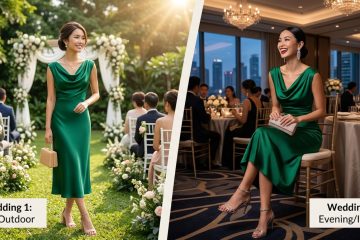
    1. Check the invitation thoroughly. Note the dress code, venue type, and ceremony timing. A morning garden ceremony requires different attire than an evening ballroom banquet.

    2. Research the cultural context. If you’re unfamiliar with the couple’s background, a simple message asking about colour preferences shows respect and prevents awkward mistakes.

    3. Assess your current wardrobe. You might already own something suitable. Try on options and consider whether they fit the formality level and cultural requirements.

    4. Consider renting instead of buying. Wedding guest attire gets worn once, then sits in your closet. Renting gives you access to designer pieces at a fraction of the purchase price, plus you’re not contributing to fashion waste.

    5. Plan your accessories. Shoes, bags, and jewellery complete the look. Make sure everything coordinates and that you can walk comfortably in your shoes for several hours.

    6. Do a full dress rehearsal. Try on the complete outfit a few days before the wedding. Sit down, move around, and check that nothing gapes, rides up, or feels restrictive.

    Traditional Attire Options for Different Ceremonies

    Some Singapore weddings include traditional ceremonies where specific attire is appropriate or even encouraged.

    Tea ceremonies at Chinese weddings are intimate family affairs. If you’re invited, smart casual or cocktail attire works well. Some guests wear cheongsams or qipaos to honour the tradition, but this isn’t required unless you’re immediate family.

    Malay weddings often welcome guests in traditional Malay dress. Women can wear baju kurung or baju kebaya. Men might choose baju melayu. These outfits can be rented from specialty shops if you don’t own them. Western formal wear remains perfectly acceptable.

    Indian weddings encourage vibrant traditional attire. Women can wear sarees, lehengas, or salwar kameez. Men might opt for kurta pajamas or sherwanis. Again, renting is common and practical for guests who don’t regularly wear these styles.

    Church weddings typically call for conservative Western attire. Women should ensure shoulders are covered, and hemlines fall at or below the knee. Men need full suits with ties.

    Wearing traditional attire from a culture that’s not your own can be a beautiful gesture of respect, but only if done thoughtfully. Make sure the outfit is appropriate, properly worn, and not a costume version of traditional dress.

    What Never to Wear to Singapore Weddings

    Some choices are universally problematic regardless of dress code or cultural context.

    • Anything too revealing: Plunging necklines, extremely short hemlines, or sheer fabrics without proper undergarments draw attention away from the couple.
    • Casual footwear: Flip-flops, sneakers, and beach sandals look out of place even at casual weddings.
    • Gym or athletic wear: Athleisure has no place at weddings, even outdoor daytime events.
    • Wrinkled or stained clothing: Your outfit should look fresh and well-maintained.
    • Overly casual denim: Dark, tailored jeans might work for very casual weddings, but standard blue jeans don’t.
    • Logo-heavy clothing: Designer labels are fine, but clothing covered in brand names looks tacky.
    • Strong perfume: Singapore’s heat intensifies scents. Keep fragrance subtle.

    Smart Shopping and Rental Strategies

    Building a wedding guest wardrobe without breaking the bank requires strategy.

    Rental services solve multiple problems. You get variety without storage issues, access to higher-quality pieces than you might purchase, and you’re making a more sustainable choice. This matters in Singapore, where fashion waste is a growing concern.

    Invest in versatile accessories. A good pair of neutral heels, a classic clutch, and simple jewellery work across multiple outfits. These items justify higher spending because you’ll use them repeatedly.

    Shop end-of-season sales for pieces you might purchase. Singapore’s sale periods in June and December offer significant discounts on formal wear.

    Consider outfit repeating. If you’re attending weddings with different guest lists, there’s no shame in wearing the same outfit multiple times. Change your accessories and hairstyle, and most people won’t notice or care.

    Join clothing swap groups. Singapore has active communities where people exchange formal wear. You might find perfect pieces for free while clearing out your own closet.

    Accessories That Complete Your Look

    The right accessories transform a simple outfit into wedding-appropriate attire.

    Shoes matter more than you think. Uncomfortable footwear ruins your entire experience. Break in new shoes before the wedding day. Bring blister plasters just in case.

    Bags should be practical and elegant. Small clutches or crossbody bags work best. You need space for essentials like your phone, tissues, and the ang bao (red packet), but nothing so large it becomes cumbersome.

    Jewellery should complement, not compete. If your dress is embellished, keep jewellery minimal. Simple dresses can handle statement pieces.

    Hair accessories are having a moment. Decorative clips, headbands, or fresh flowers add polish without requiring complex hairstyles.

    Outerwear for air conditioning should coordinate with your outfit. A pashmina, tailored blazer, or elegant cardigan works better than a casual jacket.

    Special Considerations for Different Wedding Venues

    Where the wedding takes place influences what you should wear.

    Hotel ballrooms are climate-controlled and formal. You can wear delicate fabrics and higher heels without worry. These venues typically call for cocktail or formal attire.

    Outdoor gardens or beaches require practical footwear. Stilettos sink into grass and sand. Wedge heels or elegant flats make more sense. Bring sun protection for daytime events.

    Restaurant or cafe weddings tend toward smart casual. The intimate setting calls for polished but not overly formal attire.

    Country clubs usually have dress codes of their own. Check if the venue has restrictions on sleeveless tops or specific footwear requirements.

    Cultural venues like temples or heritage buildings may require modest coverage. Bring a shawl to cover shoulders and ensure skirts or dresses fall below the knee.

    Making Sustainable Fashion Choices

    The environmental impact of fashion is significant, and wedding guest attire contributes to the problem.

    Renting reduces waste dramatically. The average dress gets worn 1.7 times before disposal. Rental models allow multiple people to enjoy the same garment, maximizing its use.

    Quality over quantity makes sense financially and environmentally. One well-made outfit worn to multiple weddings beats buying cheap pieces that fall apart after one wear.

    Care for your garments properly. Follow washing instructions, store items correctly, and make minor repairs instead of discarding damaged pieces.

    Sell or donate outfits you won’t wear again. Singapore has numerous consignment shops and charity organizations that accept formal wear.

    Choose local designers when possible. Supporting Singapore’s fashion industry reduces shipping emissions and promotes local talent.

    Final Outfit Check Before the Wedding

    A few days before the event, do a complete review.

    Try on your entire outfit including shoes, accessories, and undergarments. Move around, sit down, and check for any comfort issues.

    Verify that your outfit is clean and wrinkle-free. Steam or iron as needed.

    Check the weather forecast. Singapore’s weather is unpredictable, but a forecast gives you some preparation time.

    Confirm your ang bao is ready and your bag can accommodate it along with other essentials.

    Plan your hair and makeup. Simple, polished looks photograph well and hold up better in humidity than elaborate styles.

    Set aside everything you’ll wear the night before. Morning-of scrambling leads to forgotten items and unnecessary stress.

    Dressing with Confidence for Every Celebration

    Attending weddings in Singapore becomes easier once you understand the basic principles. Respect the dress code, honour cultural traditions, and dress for the climate.

    Your outfit should make you feel confident and comfortable. When you’re not worried about wardrobe malfunctions or cultural missteps, you can focus on celebrating with the couple and enjoying the festivities. Whether you choose to rent, buy, or rewear something from your closet, the key is selecting attire that fits the occasion and lets you participate fully in the joy of the day.