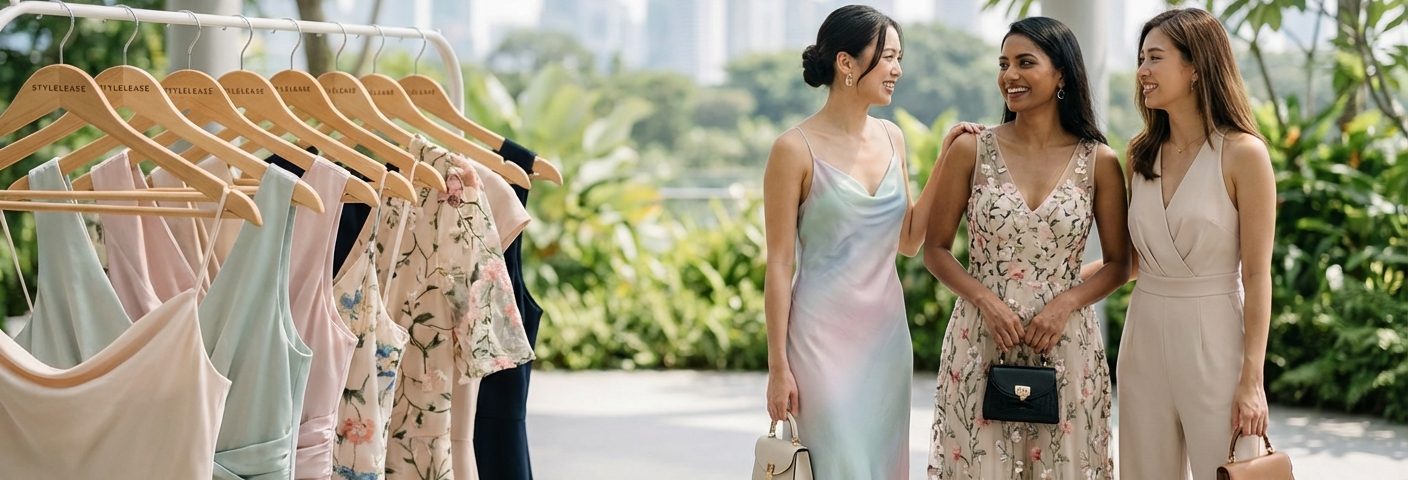
You’ve just received a wedding invitation in Singapore. The venue looks stunning, the couple seems lovely, but there’s one problem: you have absolutely no idea what to wear.
Singapore weddings are unique. They blend multiple cultures, traditions, and dress codes into celebrations that can span entire weekends. One moment you’re at a morning tea ceremony, the next you’re at an evening banquet. And if you’re new to the country or unfamiliar with local customs, figuring out appropriate attire can feel overwhelming.
Singapore wedding attire depends on the dress code, venue, and cultural context. Cocktail attire works for most banquets, while smart casual suits daytime events. Avoid white, respect cultural colour traditions, and dress for tropical humidity. Renting outfits offers variety without commitment, perfect for guests attending multiple celebrations throughout the year.
Common Singapore Wedding Dress Codes Explained
Most Singapore weddings specify a dress code on the invitation. Understanding what each term actually means saves you from showing up overdressed or underprepared.
Cocktail Attire is the most common dress code for evening banquets. For women, this means knee-length or midi dresses in elegant fabrics. Think structured silhouettes, tasteful prints, or jewel tones. For men, a suit with a tie works perfectly. Dark colours like navy or charcoal grey are safe choices.
Smart Casual appears frequently for daytime ceremonies or garden weddings. Women can wear dressy separates, midi skirts with blouses, or casual dresses. Men should opt for dress trousers with a collared shirt. A blazer adds polish but isn’t always necessary.
Formal or Black-Tie Optional indicates an upscale evening event. Women should consider floor-length gowns or sophisticated cocktail dresses. Men need a full suit, preferably in darker shades. A bow tie elevates the look but isn’t mandatory.
Casual rarely appears on Singapore wedding invitations, but when it does, it still means neat and presentable. Women can wear sundresses or smart separates. Men should stick with chinos and a nice shirt.
Here’s a breakdown of what each dress code really requires:
| Dress Code | Women | Men | Formality Level |
|---|---|---|---|
| Black-Tie Optional | Floor-length gown or elegant cocktail dress | Full suit with tie, dark colours | High |
| Cocktail | Knee to midi-length dress, refined fabrics | Suit with tie | Medium-High |
| Smart Casual | Dressy separates, midi skirts, casual dresses | Dress trousers, collared shirt, optional blazer | Medium |
| Casual | Sundress, smart separates | Chinos, nice shirt | Low-Medium |
Cultural Colour Considerations You Should Know
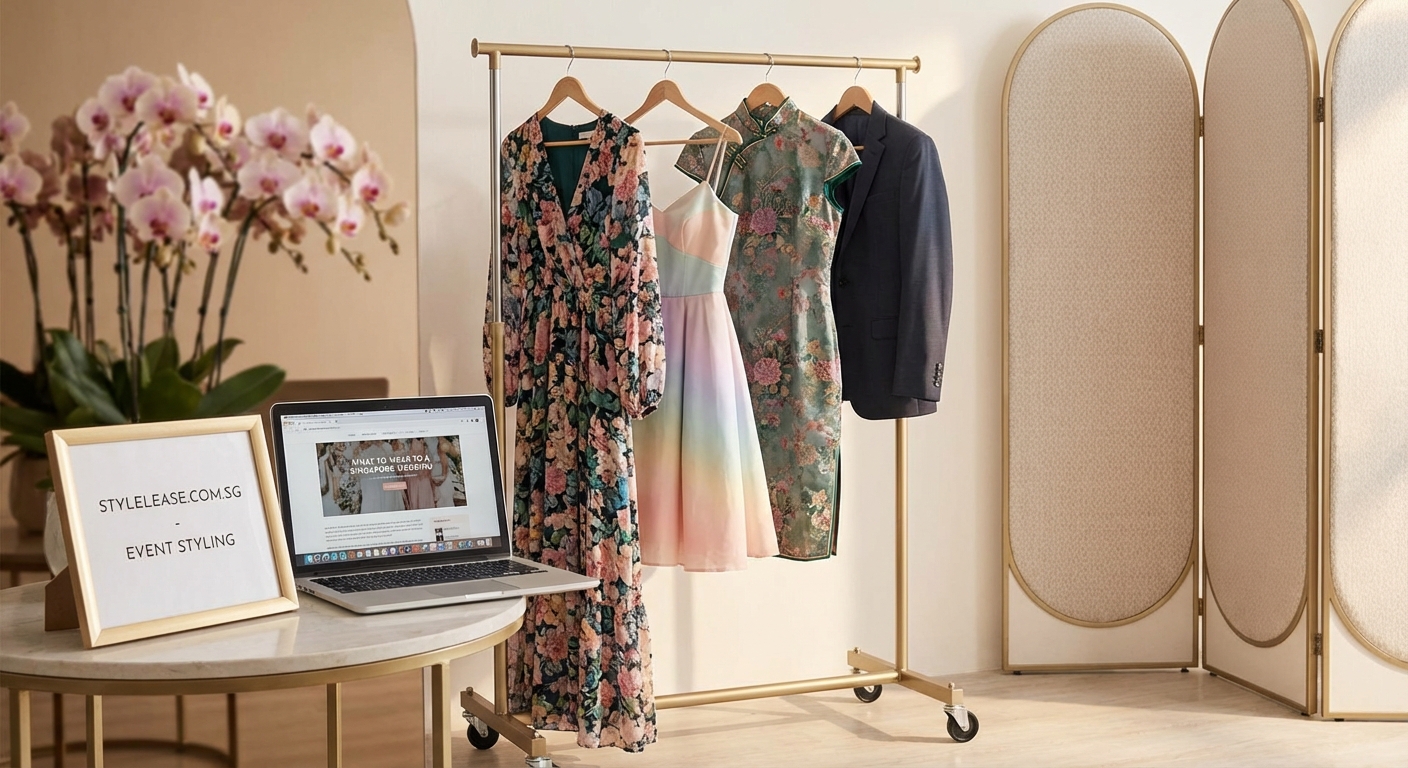
Singapore’s multicultural landscape means colour choices carry different meanings depending on the wedding’s cultural context.
White is universally off-limits. This applies to all Singapore weddings, regardless of cultural background. White belongs to the bride, and wearing it as a guest is considered disrespectful.
Red at Chinese weddings has traditionally been reserved for the bride, but modern attitudes have relaxed. Many couples now welcome guests in red, especially if it’s not a full red dress. A red accent or print with other colours is generally safe. When in doubt, ask the couple or opt for another vibrant shade.
Black used to be taboo at Chinese weddings due to its association with mourning. Today, black is widely accepted, especially for evening events. Many guests wear elegant black cocktail dresses without issue.
Bright colours are encouraged at Indian weddings. Jewel tones like emerald, sapphire, and ruby work beautifully. Gold accents and embellishments fit the celebratory atmosphere.
Pastels suit Malay weddings nicely, though bolder colours are equally welcome. Modest coverage matters more than specific colour choices.
“When attending a multicultural wedding in Singapore, I always tell guests to check the invitation carefully and observe what the couple’s family wears. Cultural rules are guidelines, not absolutes, and modern couples often blend traditions in ways that reflect their personal style.”
Dressing for Singapore’s Tropical Climate
Singapore’s weather doesn’t care about your outfit plans. High humidity and sudden rain showers are constants.
Choose breathable fabrics. Cotton, linen, and lightweight silk work better than synthetic materials that trap heat. Structured polyester dresses might look polished in photos but feel miserable after an hour in tropical humidity.
Consider the venue’s air conditioning. Hotel ballrooms and function rooms often blast cold air. Bring a light shawl or jacket even if it’s scorching outside. The temperature difference between outdoor photos and indoor banquets can be dramatic.
Plan for rain. Monsoon season runs from November to January, but afternoon showers happen year-round. Closed-toe shoes are practical, but if you’re wearing sandals, make sure they can handle wet surfaces. Keep a small umbrella in your bag.
Avoid overly delicate fabrics. Silk that water-spots easily or materials that wrinkle at the slightest touch will stress you out. Choose pieces that maintain their appearance through humidity, air conditioning, and multiple outfit adjustments.
Step-by-Step Guide to Choosing Your Wedding Guest Outfit
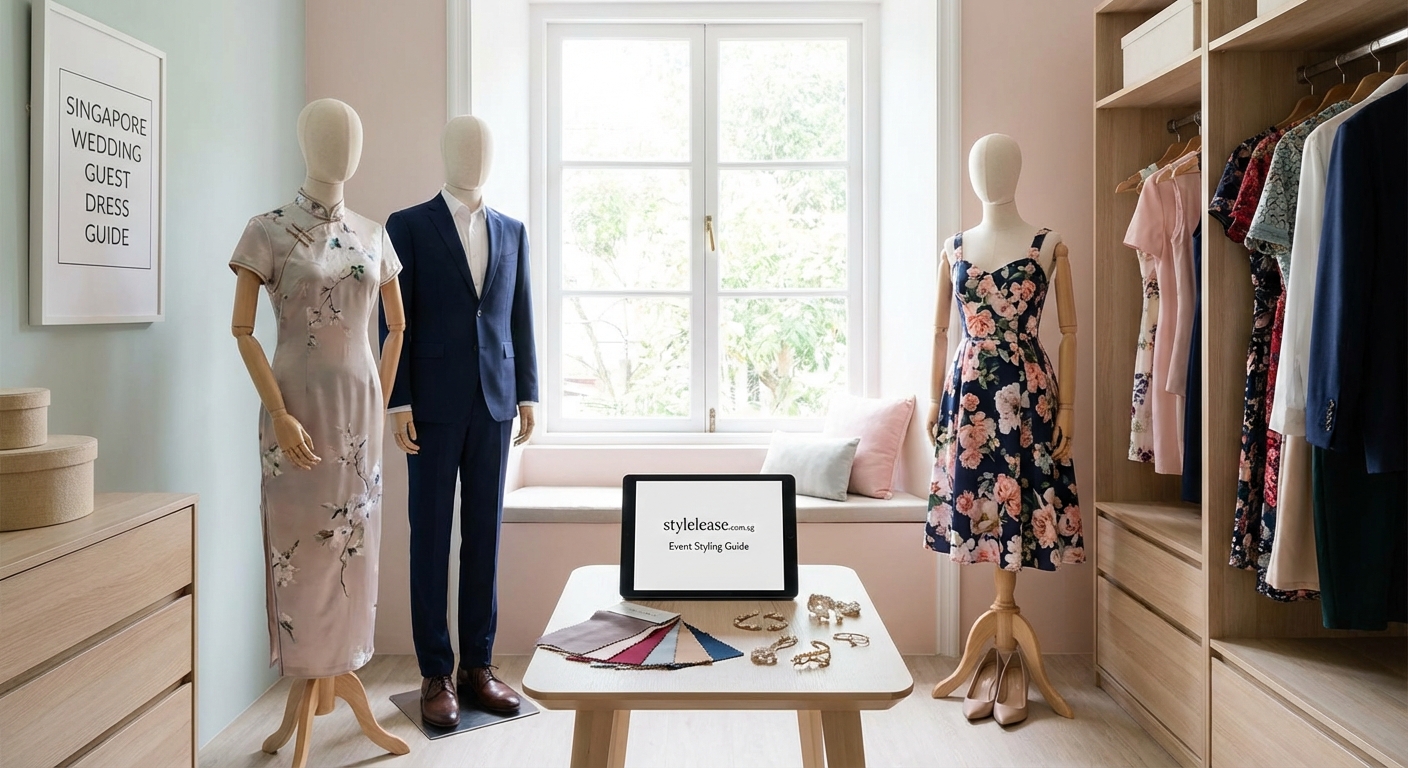
Selecting appropriate attire becomes manageable when you break it down into clear steps.
-
Check the invitation thoroughly. Note the dress code, venue type, and ceremony timing. A morning garden ceremony requires different attire than an evening ballroom banquet.
-
Research the cultural context. If you’re unfamiliar with the couple’s background, a simple message asking about colour preferences shows respect and prevents awkward mistakes.
-
Assess your current wardrobe. You might already own something suitable. Try on options and consider whether they fit the formality level and cultural requirements.
-
Consider renting instead of buying. Wedding guest attire gets worn once, then sits in your closet. Renting gives you access to designer pieces at a fraction of the purchase price, plus you’re not contributing to fashion waste.
-
Plan your accessories. Shoes, bags, and jewellery complete the look. Make sure everything coordinates and that you can walk comfortably in your shoes for several hours.
-
Do a full dress rehearsal. Try on the complete outfit a few days before the wedding. Sit down, move around, and check that nothing gapes, rides up, or feels restrictive.
Traditional Attire Options for Different Ceremonies
Some Singapore weddings include traditional ceremonies where specific attire is appropriate or even encouraged.
Tea ceremonies at Chinese weddings are intimate family affairs. If you’re invited, smart casual or cocktail attire works well. Some guests wear cheongsams or qipaos to honour the tradition, but this isn’t required unless you’re immediate family.
Malay weddings often welcome guests in traditional Malay dress. Women can wear baju kurung or baju kebaya. Men might choose baju melayu. These outfits can be rented from specialty shops if you don’t own them. Western formal wear remains perfectly acceptable.
Indian weddings encourage vibrant traditional attire. Women can wear sarees, lehengas, or salwar kameez. Men might opt for kurta pajamas or sherwanis. Again, renting is common and practical for guests who don’t regularly wear these styles.
Church weddings typically call for conservative Western attire. Women should ensure shoulders are covered, and hemlines fall at or below the knee. Men need full suits with ties.
Wearing traditional attire from a culture that’s not your own can be a beautiful gesture of respect, but only if done thoughtfully. Make sure the outfit is appropriate, properly worn, and not a costume version of traditional dress.
What Never to Wear to Singapore Weddings
Some choices are universally problematic regardless of dress code or cultural context.
- Anything too revealing: Plunging necklines, extremely short hemlines, or sheer fabrics without proper undergarments draw attention away from the couple.
- Casual footwear: Flip-flops, sneakers, and beach sandals look out of place even at casual weddings.
- Gym or athletic wear: Athleisure has no place at weddings, even outdoor daytime events.
- Wrinkled or stained clothing: Your outfit should look fresh and well-maintained.
- Overly casual denim: Dark, tailored jeans might work for very casual weddings, but standard blue jeans don’t.
- Logo-heavy clothing: Designer labels are fine, but clothing covered in brand names looks tacky.
- Strong perfume: Singapore’s heat intensifies scents. Keep fragrance subtle.
Smart Shopping and Rental Strategies
Building a wedding guest wardrobe without breaking the bank requires strategy.
Rental services solve multiple problems. You get variety without storage issues, access to higher-quality pieces than you might purchase, and you’re making a more sustainable choice. This matters in Singapore, where fashion waste is a growing concern.
Invest in versatile accessories. A good pair of neutral heels, a classic clutch, and simple jewellery work across multiple outfits. These items justify higher spending because you’ll use them repeatedly.
Shop end-of-season sales for pieces you might purchase. Singapore’s sale periods in June and December offer significant discounts on formal wear.
Consider outfit repeating. If you’re attending weddings with different guest lists, there’s no shame in wearing the same outfit multiple times. Change your accessories and hairstyle, and most people won’t notice or care.
Join clothing swap groups. Singapore has active communities where people exchange formal wear. You might find perfect pieces for free while clearing out your own closet.
Accessories That Complete Your Look
The right accessories transform a simple outfit into wedding-appropriate attire.
Shoes matter more than you think. Uncomfortable footwear ruins your entire experience. Break in new shoes before the wedding day. Bring blister plasters just in case.
Bags should be practical and elegant. Small clutches or crossbody bags work best. You need space for essentials like your phone, tissues, and the ang bao (red packet), but nothing so large it becomes cumbersome.
Jewellery should complement, not compete. If your dress is embellished, keep jewellery minimal. Simple dresses can handle statement pieces.
Hair accessories are having a moment. Decorative clips, headbands, or fresh flowers add polish without requiring complex hairstyles.
Outerwear for air conditioning should coordinate with your outfit. A pashmina, tailored blazer, or elegant cardigan works better than a casual jacket.
Special Considerations for Different Wedding Venues
Where the wedding takes place influences what you should wear.
Hotel ballrooms are climate-controlled and formal. You can wear delicate fabrics and higher heels without worry. These venues typically call for cocktail or formal attire.
Outdoor gardens or beaches require practical footwear. Stilettos sink into grass and sand. Wedge heels or elegant flats make more sense. Bring sun protection for daytime events.
Restaurant or cafe weddings tend toward smart casual. The intimate setting calls for polished but not overly formal attire.
Country clubs usually have dress codes of their own. Check if the venue has restrictions on sleeveless tops or specific footwear requirements.
Cultural venues like temples or heritage buildings may require modest coverage. Bring a shawl to cover shoulders and ensure skirts or dresses fall below the knee.
Making Sustainable Fashion Choices
The environmental impact of fashion is significant, and wedding guest attire contributes to the problem.
Renting reduces waste dramatically. The average dress gets worn 1.7 times before disposal. Rental models allow multiple people to enjoy the same garment, maximizing its use.
Quality over quantity makes sense financially and environmentally. One well-made outfit worn to multiple weddings beats buying cheap pieces that fall apart after one wear.
Care for your garments properly. Follow washing instructions, store items correctly, and make minor repairs instead of discarding damaged pieces.
Sell or donate outfits you won’t wear again. Singapore has numerous consignment shops and charity organizations that accept formal wear.
Choose local designers when possible. Supporting Singapore’s fashion industry reduces shipping emissions and promotes local talent.
Final Outfit Check Before the Wedding
A few days before the event, do a complete review.
Try on your entire outfit including shoes, accessories, and undergarments. Move around, sit down, and check for any comfort issues.
Verify that your outfit is clean and wrinkle-free. Steam or iron as needed.
Check the weather forecast. Singapore’s weather is unpredictable, but a forecast gives you some preparation time.
Confirm your ang bao is ready and your bag can accommodate it along with other essentials.
Plan your hair and makeup. Simple, polished looks photograph well and hold up better in humidity than elaborate styles.
Set aside everything you’ll wear the night before. Morning-of scrambling leads to forgotten items and unnecessary stress.
Dressing with Confidence for Every Celebration
Attending weddings in Singapore becomes easier once you understand the basic principles. Respect the dress code, honour cultural traditions, and dress for the climate.
Your outfit should make you feel confident and comfortable. When you’re not worried about wardrobe malfunctions or cultural missteps, you can focus on celebrating with the couple and enjoying the festivities. Whether you choose to rent, buy, or rewear something from your closet, the key is selecting attire that fits the occasion and lets you participate fully in the joy of the day.