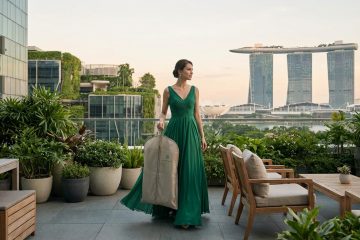
Your wardrobe shouldn’t cost the earth. Every piece hanging in your closet has a story that extends far beyond the price tag, and in Singapore’s fashion-conscious landscape, more women are questioning whether owning dozens of garments they wear once or twice makes sense anymore. The answer is reshaping how we think about getting dressed.
Sustainable fashion Singapore centres on renting designer pieces instead of buying them. This approach slashes textile waste, reduces carbon emissions from production, saves money, and gives you access to premium brands for every occasion. Rental platforms make eco-friendly styling practical, affordable, and effortless for environmentally-conscious women who refuse to compromise on style.
Why sustainable fashion matters in Singapore
Singapore generates approximately 168,000 tonnes of textile waste annually. Most of it ends up in Semakau Landfill.
That number represents countless dresses worn once to a wedding, cocktail outfits purchased for a single gala, and impulse buys that never leave the hanger. The environmental cost is staggering. Manufacturing one cotton dress requires around 2,700 litres of water. That’s enough drinking water for one person for two and a half years.
Fast fashion amplifies the problem. Brands churn out new collections every few weeks, encouraging a cycle of buying, wearing briefly, and discarding. The fashion industry accounts for 10% of global carbon emissions, more than international flights and maritime shipping combined.
In Singapore’s humid climate, storage becomes another challenge. Wardrobes overflow with garments that no longer fit, suit our current style, or serve any purpose beyond occupying space. We pay premium rent for square footage that houses clothes we don’t wear.
The financial mathematics don’t add up either. A designer dress costing $800 worn twice costs $400 per wear. That same dress rented for $80 delivers the same style impact at a fraction of the cost and environmental footprint.
How dress rental creates genuine sustainability
Rental fashion operates on a simple principle: maximise the use of each garment across multiple wearers. One dress circulating through 20 women replaces 20 individual purchases.
This sharing economy model delivers measurable environmental benefits:
- Reduced production demand: Fewer new garments manufactured means less water consumption, chemical use, and carbon emissions
- Extended garment lifespan: Quality pieces get worn dozens of times instead of languishing in closets
- Eliminated disposal waste: Rental platforms handle cleaning, repairs, and eventual recycling
- Lower transportation emissions: Centralised logistics beat individual shopping trips to multiple boutiques
The circular fashion model keeps resources in use for as long as possible. When a dress reaches the end of its rental life, professional platforms can repurpose fabrics, donate to charities, or recycle materials properly.
Singapore’s compact geography makes rental logistics especially efficient. Same-day delivery across the island creates convenience that matches or exceeds traditional shopping.
Getting started with sustainable fashion in Singapore
Transitioning to a more sustainable wardrobe doesn’t require perfection. Small, consistent changes create lasting impact.
1. Audit your current wardrobe
Pull everything out and assess honestly. Most women wear 20% of their wardrobe 80% of the time.
Identify pieces you haven’t worn in 12 months. Calculate how much you spent on items worn once or never. This exercise usually reveals hundreds or thousands of dollars sitting idle.
Sort garments into three categories: wear regularly, wear occasionally, never wear. The “never wear” pile highlights your actual needs versus impulse purchases.
2. Identify your rental occasions
List events where you typically buy new outfits. Common Singapore scenarios include:
- Wedding ceremonies and receptions
- Corporate galas and awards dinners
- Cocktail parties and networking events
- Formal photoshoots and celebrations
- Holiday parties and seasonal gatherings
For most women, these occasions happen monthly or quarterly. Renting for each event instead of buying saves money and closet space while maintaining variety.
Knowing what to wear to a Singapore wedding becomes easier when you can browse current collections instead of committing to purchases.
3. Choose a reliable rental platform
Research platforms serving Singapore. Look for:
- Extensive designer collections with regular updates
- Transparent pricing without hidden fees
- Clear rental periods and extension options
- Professional cleaning and quality control
- Responsive customer service
- Flexible delivery and return logistics
Read reviews from other customers. Check social media for real photos of how dresses look on different body types.
Test the platform with one rental before committing to frequent use. Evaluate the entire experience from browsing to return.
4. Build your rental strategy
Create a system that works for your lifestyle and calendar.
Book rentals two to three weeks ahead for popular dates. Wedding season and year-end galas see high demand.
Consider rental periods carefully. A four-day rental covers most weekend events comfortably. Longer periods suit holiday travel or back-to-back occasions.
Plan accessories and shoes around rented pieces. Building a core collection of versatile accessories maximises outfit possibilities without constant purchases.
Common sustainable fashion mistakes to avoid
| Mistake | Why It Happens | Better Approach |
|---|---|---|
| Renting too early | Booking months ahead when body or style preferences might change | Reserve 2-3 weeks before events for flexibility |
| Ignoring garment care | Assuming rental means careless treatment | Handle rented pieces carefully; damage fees apply |
| Over-accessorising rentals | Trying to style expensive pieces like fast fashion | Let quality designer details shine with minimal additions |
| Forgetting return deadlines | Busy schedules after events | Set phone reminders for return day |
| Renting wrong sizes | Hoping pieces will fit differently | Measure accurately and consult size guides |
The biggest mistake is treating rental as identical to ownership. Rented garments deserve respect and care, but they also free you from long-term storage and maintenance responsibilities.
Another common error is renting pieces that don’t suit your actual lifestyle. A floor-length sequined gown makes sense for a gala but not a casual garden party. Match formality levels appropriately.
Some women rent too conservatively, choosing safe options they could easily own. Rental’s beauty lies in trying styles, colours, and designers you wouldn’t normally buy. Push your boundaries.
Making sustainable choices beyond rental
Rental forms the foundation of sustainable fashion in Singapore, but other practices reinforce your environmental impact.
Buy secondhand first. Vintage and consignment shops offer unique pieces with zero new production impact. Singapore has growing communities of preloved fashion enthusiasts.
Invest in quality basics. Some wardrobe staples deserve ownership. Well-made trousers, classic blazers, and versatile shoes in neutral colours work across years and occasions. Buy fewer, better pieces.
Care for clothes properly. Proper washing, storage, and repairs extend garment life dramatically. Air dry instead of tumble drying. Store seasonal items correctly. Fix small issues before they become unfixable.
Swap with friends. Organise clothing swaps within your social circle. One person’s unworn purchase might be another’s perfect find.
Research brands carefully. When you do buy new, support companies with transparent supply chains, ethical labour practices, and genuine sustainability commitments. Greenwashing is rampant, so verify claims.
Rent for variety, own for frequency. If you wear something monthly, ownership might make sense. For quarterly or annual occasions, rental wins financially and environmentally.
“The most sustainable garment is the one already in existence. By maximising how many times each piece gets worn, we fundamentally change fashion’s environmental equation. Rental isn’t about sacrifice; it’s about smarter access to style.” — Fashion sustainability researcher
Styling rented pieces for maximum impact
Renting designer dresses opens possibilities most wardrobes can’t match. Make the most of each rental with thoughtful styling.
Understand colour psychology for your events. Certain shades photograph beautifully and suit specific occasions. For evening events, knowing which gown colours photograph well helps you make confident choices.
Build a capsule accessory collection that works across multiple rented looks. Classic pumps in black and nude, simple jewellery in gold and silver, and versatile clutches stretch your styling options infinitely.
Consider the venue and time when selecting rentals. Outdoor garden weddings call for different fabrics and hemlines than ballroom galas. Afternoon events suit lighter colours and fabrics than evening affairs.
Pay attention to dress codes. Singapore events often specify attire expectations, and getting them right matters professionally and socially. Understanding how to choose the right corporate event dress prevents awkward mismatches.
When codes mention cocktail attire, clarity helps. Knowing exactly what cocktail attire means for Singapore events eliminates guesswork and builds confidence.
Planning your rental calendar
Strategic planning maximises rental benefits and minimises stress.
Maintain a calendar of upcoming events requiring formal attire. Mark dates as soon as invitations arrive. This visibility helps you spot opportunities to rent instead of defaulting to purchases.
Book high-demand periods early. December galas, Chinese New Year celebrations, and peak wedding months (March, June, September, December) see limited availability.
Coordinate rentals with travel plans. If you’re attending destination weddings or overseas events, factor in packing and return logistics. Some platforms offer extended rental periods for travel.
Budget monthly or quarterly rental allowances. Treating rentals as a planned expense rather than sporadic splurges helps you make intentional choices.
Track what you’ve rented to avoid repetition at recurring events with the same guests. Photos help you remember past looks.
Create a packing list for styling rented gowns that ensures you have everything needed to complete each look. Missing accessories or undergarments can undermine an otherwise perfect rental.
The financial case for sustainable fashion
Numbers tell a compelling story.
Average Singaporean woman’s annual formal wear spending: $1,200 to $2,400
Same wardrobe needs met through rental: $400 to $800
Annual savings: $800 to $1,600
Those savings compound over years. A decade of rental instead of purchasing saves $8,000 to $16,000, enough for significant experiences like travel, education, or investments.
Designer access through rental costs 10% to 15% of retail prices. A $1,500 designer gown rents for $150 to $225. You get the same style impact, photos, and experience at a fraction of the cost.
Rental eliminates hidden ownership costs: dry cleaning, alterations, storage solutions, and eventual disposal. These expenses add 20% to 30% to a garment’s true cost.
The try-before-you-buy aspect prevents expensive mistakes. Renting a style before purchasing helps you understand what actually works for your body and lifestyle.
Addressing common rental concerns
“What if something doesn’t fit?” Reputable platforms offer size guides, customer service consultations, and sometimes backup size options. Measuring yourself accurately and comparing to provided specifications minimises fit issues.
“Isn’t rental unhygienic?” Professional cleaning between each rental exceeds home washing standards. Commercial facilities use specialised processes that sanitise while preserving fabric quality.
“What about last-minute events?” Many Singapore platforms offer same-day or next-day delivery for in-stock items. Building relationships with rental services can unlock priority access.
“How do I handle damages?” Understand damage policies before renting. Normal wear is expected. Significant damage may incur fees, but these are typically reasonable and clearly outlined.
“Can I really find my style?” Quality rental platforms stock hundreds or thousands of pieces across designers, styles, and sizes. Selection often exceeds what you’d find in physical boutiques.
Building community around sustainable choices
Sustainable fashion works better as a collective movement.
Share your rental experiences with friends. Normalising rental removes stigma and spreads awareness. Many women still don’t know rental exists as an option.
Post photos on social media tagging rental platforms. This visibility helps others discover sustainable alternatives while supporting businesses driving change.
Join online communities focused on sustainable fashion in Singapore. These groups share tips, reviews, and encouragement.
Discuss sustainability openly at events. When someone compliments your dress, mention it’s rented. These conversations plant seeds.
Support policies and businesses advancing circular fashion. Vote with your wallet for companies prioritising environmental responsibility.
Your sustainable wardrobe starts now
Sustainable fashion Singapore isn’t about deprivation or sacrifice. It’s about smarter access to beautiful clothes that make you feel confident without the environmental guilt or financial strain of constant purchasing.
Start small. Rent for your next formal event instead of buying. Notice how liberating it feels to return the dress instead of finding closet space. Track the money saved and environmental impact reduced.
Build from there. As rental becomes routine, you’ll wonder why you ever bought occasion wear. Your wardrobe will contain pieces you actually wear regularly, while special events get styled with fresh designer options every time.
The fashion industry won’t change overnight, but your choices create ripples. Every rental is a vote for a more sustainable system. Every conversation about your rented dress educates someone new. Every dollar saved is money redirected toward what truly matters.
Singapore’s fashion future is circular, accessible, and beautiful. You’re already part of it.